Not every allergic reaction is an emergency, but it can be hard to tell which ones are. Some pets develop nothing more than itchy hives or a swollen face, while others can progress within minutes to vomiting, collapse, difficulty breathing, or life-threatening anaphylaxis. The difference depends on how extensively the immune system reacts. A localized reaction affects just one area of the body, while a systemic reaction involves multiple organ systems, including the lungs, digestive tract, and circulatory system. The same pet can also react differently to the same trigger over time, so a mild reaction today does not guarantee the next one will be mild as well.
At our Council Bluffs and Glenwood locations, we see allergic reactions ranging from simple hives to true emergencies. We have the medications and supportive care needed to begin treatment right away during our regular hours, along with in-house diagnostics for dogs and cats in Council Bluffs to evaluate organ function after a severe reaction. If your dog or cat develops swelling, hives, or other concerning signs after a sting, new food, or medication, please request an appointment or call ahead so we can be ready when you arrive.
The Key Points on Allergic Pets
- Allergic reactions generally fall into three categories: chronic skin allergies that need treatment but are not urgent, hives and facial swelling that require same-day care, and anaphylaxis, which is a life-threatening emergency.
- Dogs experiencing anaphylaxis often develop vomiting, diarrhea, weakness, and collapse, while cats are more likely to develop severe breathing problems. Open-mouth breathing in a cat is always an emergency.
- The most effective allergy treatment addresses the underlying cause through options such as immunotherapy, prescription medications, parasite prevention, and elimination diet trials, rather than simply treating each flare as it happens.
- Because a pet that had a mild reaction once can have a much more serious reaction the next time, recognizing the warning signs and seeking prompt veterinary care can make a critical difference.
Reading the Urgency: Which Reactions Can Wait and Which Cannot?
Allergic reactions fall into three general urgency levels. Chronic skin allergies can usually wait for a scheduled appointment. Hives and noticeable facial swelling should be evaluated the same day. Anaphylaxis, marked by collapse, labored breathing, or other signs of shock, is a true emergency. If your pet becomes weak, develops pale gums, or struggles to breathe, head to the nearest emergency vet immediately.
| Tier | What it looks like | How fast to act |
|---|---|---|
| Monitor | Chronic itching, licking, recurring ear or skin infections, hair loss | Schedule a visit soon |
| Same-day | Hives, swelling around the face or eyes, localized swelling after a sting, hives that are spreading | Come in today or call ahead |
| Emergency | Collapse, weakness, pale or blue gums, vomiting with swelling, open-mouth or labored breathing | Go to a 24/7 ER now |
Do not induce vomiting or give human medications, including antihistamines, unless we’ve instructed you to do so.
Anaphylaxis: The Reaction That Cannot Wait
Anaphylaxis is a true medical emergency. Instead of affecting just the skin, the immune system triggers a widespread reaction throughout the body, and treatment cannot wait.
Dogs and cats often experience anaphylaxis differently. In dogs, the gastrointestinal tract is usually affected first. Anaphylaxis in dogs commonly causes sudden vomiting, diarrhea, weakness, collapse, and pale gums. Because these signs can resemble a severe stomach illness, it’s easy to underestimate how serious the situation is. Symptoms can develop within minutes of exposure to the trigger.
Cats, on the other hand, most often develop respiratory signs. Open-mouth breathing in cats is always abnormal and should be treated as an emergency. A cat that begins panting like a dog, struggles to breathe, or develops increased respiratory effort needs immediate veterinary care. In either species, the faster treatment begins, the better the chance of a successful outcome.
The Middle Tier: Reactions That Warrant Same-Day Attention
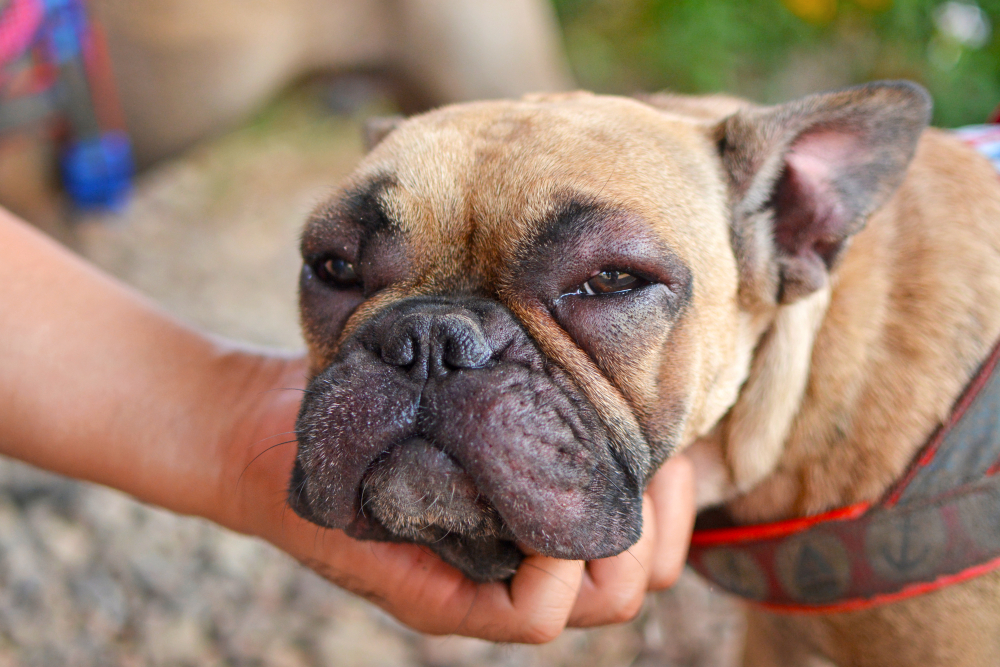
Not every allergic reaction is immediately life-threatening, but some deserve prompt veterinary attention because they can progress quickly. Hives, facial swelling, breathing changes, and certain insect stings all fall into this category.
When Do Hives, Breathing Symptoms, and Stings Become Urgent?
Hives are raised, itchy welts that often appear within minutes to hours after exposure to an allergen. While hives alone are not always dangerous, they can be an early sign of a more serious allergic reaction, so they should never be ignored.
Breathing changes are more concerning. Coughing, wheezing, or increased respiratory effort associated with an allergic reaction should always be evaluated the same day. Cats with asthma deserve particular attention because even subtle changes in breathing can worsen quickly.
The location of an insect sting also matters. A sting on a paw is often painful but manageable. Stings involving the face, mouth, or throat are much more concerning because swelling can interfere with breathing. Multiple stings or swelling accompanied by vomiting, weakness, or collapse also require immediate evaluation.
The Slow-Burn Skin Problems That Need a Plan, Not a Rush
Most allergic skin disease develops gradually rather than suddenly. These chronic allergies are frustrating for both pets and owners because they tend to flare repeatedly, but they rarely require emergency care. Instead, they benefit from a long-term management plan that addresses the underlying allergy rather than treating each flare individually.
What Do Chronic Skin Reactions Look Like in Dogs?
Dogs with chronic allergies often seem like they can never stop scratching, licking, or chewing. Over time, the constant irritation leads to red, inflamed skin, hair loss, recurring ear infections, and secondary bacterial or yeast infections.
Several patterns appear frequently:
- Pododermatitis: inflammation between the toes that leaves the paws red, swollen, and uncomfortable.
- Interdigital furunculosis: deeper inflammation between the toes that can progress to painful draining nodules.
- Hot spots: moist, inflamed sores that can develop and spread rapidly after excessive licking or scratching.
- Otitis externa: recurring outer ear infections caused by chronic allergic inflammation.
Recognizing these patterns helps us determine whether allergies are driving your dog’s skin disease.
What Do Chronic Skin Reactions Look Like in Cats?
Cats tend to hide their allergies differently. Because much of their grooming happens when no one is watching, owners often notice the results before they notice the behavior itself.
The most common patterns include:
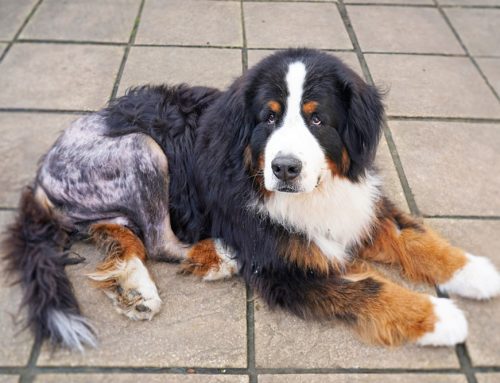
- Overgrooming: symmetrical hair loss on the belly, inner legs, or other easily reached areas.
- Miliary dermatitis: tiny, crusty bumps scattered through the coat that feel like grains of sand.
- Eosinophilic granuloma complex: raised plaques or ulcerated lesions affecting the lips, belly, or thighs.
A bald patch on the belly or legs may be the first indication that an itchy cat has been grooming excessively for weeks.
Where Do These Reactions Come From in the First Place?
Most allergic reactions in pets can be traced to one of three sources: environmental allergens, food, or insects and parasites. Which signs develop, whether itchy skin, digestive upset, or a life-threatening reaction, depends on both the trigger and how an individual pet’s immune system responds.
- Environmental allergies: Pollen, grasses, mold, and dust mites are common triggers of atopic dermatitis. Many pets start with seasonal itching that gradually becomes a year-round problem.
- Food allergies: Food allergies are usually caused by a specific dietary protein and tend to cause symptoms throughout the year rather than seasonally.
- Insects and parasites: Flea bites, bee stings, and wasp stings can all trigger allergic reactions. In some pets, especially cats with flea allergy dermatitis, a single flea bite is enough to cause weeks of intense itching.
What Is Contact Hypersensitivity?
Sometimes the problem isn’t something your pet eats or inhales. It’s something touching the skin. Contact hypersensitivity develops when the skin comes into direct contact with an irritant or allergen. The reaction usually affects thinly haired areas such as the belly, paws, or chin. Common triggers include laundry detergents, fabric softeners, floor cleaners, new carpeting, and certain grooming products.
If a rash develops shortly after your pet begins lying on freshly washed bedding or spending time on a new surface, contact allergy becomes much more likely.
Can Vaccines or Medications Trigger a Reaction?
Vaccine reactions and medication allergies do occur, but they’re uncommon. Most dogs and cats receive vaccines and medications without any problems. If your pet has had a previous reaction, though, it’s important to let us know before future vaccinations or new prescriptions.
A mild vaccine reaction may include soreness at the injection site, sleeping more than usual, or a mildly decreased appetite for a day or two. More serious signs, including facial swelling, widespread hives, vomiting, or difficulty breathing, deserve immediate veterinary attention, particularly if they develop within the first few hours after vaccination or starting a new medication.
If your pet has reacted to an antibiotic, vaccine, dewormer, or another medication in the past, we’ll make sure that information stays part of their medical record so it can be considered whenever future treatments are recommended.
Pinning Down an Allergy: What Does the Workup Involve?
Environmental Allergy Testing and Immunotherapy
Managing chronic allergies starts with identifying everything that’s contributing to the problem. Ear cytology and skin samples help us determine whether bacteria or yeast have caused secondary infections that also need treatment. Lab work evaluates hormonal issues that may also be contributing to skin health.
Blood testing can help identify the allergens affecting your pet. Once those triggers are identified, immunotherapy uses customized allergy drops or injections to gradually retrain the immune system over 12 to 18 months. Immunotherapy requires patience, but it’s the closest thing we have to treating the underlying allergy rather than simply managing symptoms. Up to 75% of pets improve from immunotherapy treatment; if you’re wondering whether your pet might benefit, our veterinary team can help you decide if it’s a good option.
One important note: over-the-counter hair and saliva allergy tests marketed directly to pet owners have not been shown to provide reliable results and shouldn’t be used to diagnose environmental allergies.
Diet Trials for Food Allergies
The gold standard for diagnosing a food allergy is an elimination diet trial. Although it sounds straightforward, it requires strict consistency. Your pet eats only a prescription novel-protein or hydrolyzed diet for 8 to 12 weeks, followed by a carefully planned food challenge to confirm whether a food allergy is truly present.
The biggest challenge is avoiding even small deviations from the diet. No treats, table scraps, flavored medications, or other foods are allowed because even a single exposure can interfere with the results. Over-the-counter limited-ingredient diets are also not reliable enough for diagnostic testing because cross-contamination during manufacturing can introduce proteins that aren’t listed on the label. If your pet has year-round itching and you’re wondering whether food could be the cause, schedule an appointment and we’ll help you choose the right diet and guide you through the entire process.
From Emergency Stabilization to Chronic Care: How Is Treatment Handled?
Treatment depends on the type and severity of the allergic reaction. A pet experiencing anaphylaxis needs immediate stabilization at a veterinary ER, while chronic skin allergies require a long-term management plan that addresses the underlying cause. We’ll tailor treatment to your pet’s diagnosis, symptoms, and lifestyle.
How Do Vets Treat Acute and Emergency Allergic Reactions?
When a pet arrives at an emergency room with anaphylaxis, treatment begins immediately. Epinephrine is used to counter the allergic reaction, followed by intravenous fluids, oxygen therapy if needed, and medications to support circulation and reduce inflammation. Antihistamines and corticosteroids are often part of the treatment plan, and patients are closely monitored throughout their stay.
Even after a pet appears to recover, monitoring remains important. Some patients experience a biphasic reaction, meaning symptoms return several hours after the initial episode. Pets that arrive with respiratory distress or other severe signs may need to stay in the hospital until they’re stable.
Keeping Flares Fewer and Milder: What Does Long-Term Control Take?
You can’t always prevent the first allergic reaction, but you can often reduce how frequently flare-ups occur and how severe they become. Long-term allergy management focuses on controlling the underlying disease through parasite prevention, prescription medications, allergy testing, immunotherapy, and good skin care at home.
Why Does Parasite Prevention Matter So Much for Allergic Pets?
Consistent, year-round parasite prevention is one of the foundations of allergy management. Even when fleas aren’t the primary cause of your pet’s itching, flea allergy dermatitis can dramatically worsen existing allergies. In sensitive pets, a single flea bite can trigger weeks of itching, even during an Iowa winter.
What Prescription Medications Treat Allergies?
When environmental changes and home care aren’t enough, prescription medications can provide significant relief. Different medications work in different ways, allowing us to tailor treatment to your pet’s needs.
- JAK inhibitors: Daily oral medications for dogs, including Apoquel, Zenrelia, and Numelvi, that target itch and inflammation.
- Cytopoint: A long-acting monthly injection for dogs that helps control itching associated with atopic dermatitis.
- Atopica: An immunomodulating medication used for more severe or difficult-to-control allergic skin disease.
- Corticosteroids: Effective short-term medications for controlling acute flare-ups.
- Antihistamines: Helpful for some pets, although their effectiveness varies considerably between individuals.
- Topical therapies: Shampoos, mousses, sprays, and wipes help soothe the itch and prevent secondary infections. When using medicated shampoos, allow them to remain on the skin for at least 10 minutes before rinsing so the active ingredients have time to work.
- Immunotherapy: Personalized, long-term treatment that desensitizes your pet’s immune system to triggers.
What About Grooming and Fatty Acid Support?
Home care plays an important role in long-term allergy management. Regular grooming helps remove pollen and other allergens from the coat before they continue irritating the skin. Wiping your pet’s feet and lower body after spending time outdoors can also reduce exposure to pollen and other environmental allergens. Omega-3 fatty acid supplements may also improve skin barrier function and reduce inflammation over time.
Most pets benefit from a combination of therapies instead of relying on a single medication, and we’ll adjust that plan as your pet’s needs change over time.
Frequently Asked Questions About Allergies in Pets
Can I Give My Dog Benadryl for an Allergic Reaction?
Sometimes, but you should always check with us first. Antihistamines such as diphenhydramine can be appropriate in some situations, but the correct dose depends on your pet’s size, medical history, and the specific product you have at home. Some human formulations contain additional ingredients that are not safe for pets.
More importantly, antihistamines are not enough for a serious allergic reaction. If your pet has facial swelling, difficulty breathing, weakness, collapse, or other signs of anaphylaxis, don’t stop to give medication at home. Seek veterinary care immediately.
Will My Pet Grow Out of Allergies?
Unfortunately, most pets do not outgrow allergies. Environmental and food allergies are usually lifelong conditions that require ongoing management, and many pets become more sensitive over time.
The good news is that today’s treatment options are very effective. With the right combination of medication, parasite prevention, diet management, and, in some cases, immunotherapy, most allergic pets can live comfortable, active lives with good long-term control.
My Cat Is Losing Hair in Patches but I Never See Her Scratch. Is It Still Allergies?
Yes. Cats often respond to allergies by overgrooming rather than scratching, and much of that grooming happens when no one is watching. Symmetrical hair loss on the belly or legs is a classic sign of an itchy cat, even if you’ve never seen excessive licking.
Hair loss can have several different causes, so it’s important to have your cat examined to determine whether allergies, parasites, infection, or another medical condition is responsible.
Comfort That Lasts: Building Care Around the Cause
Successful allergy treatment focuses on the underlying cause rather than simply controlling each flare-up as it happens. When we identify the trigger and build a long-term management plan, many pets experience fewer infections, less itching, and a much better quality of life.
If your dog or cat is caught in the cycle of itching, skin infections, or recurring allergic flare-ups, we’re here to help. Schedule a visit for diagnostics and allergy care so we can determine what’s driving your pet’s symptoms and develop a treatment plan that works, or give us a call with any questions.