

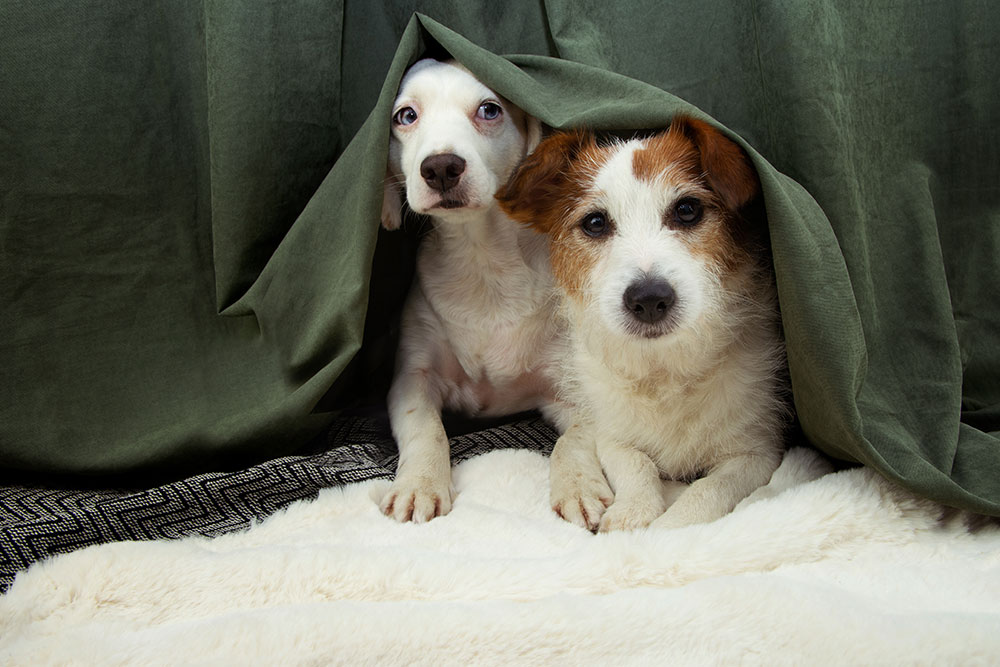
Many pet owners return home to chewed furniture, clawed doors, or anxious barking, not realizing that these aren’t acts of defiance- they’re signs of distress. Separation anxiety is one of the most common behavioral challenges in dogs and cats, triggered by the fear of being left alone. Understanding the emotional root of this behavior helps owners replace frustration with empathy and take steps toward creating calmer, more secure environments for their pets.
At Animal Clinic of Council Bluffs, our team treats pets like family, offering compassionate support and expert care to address behavioral concerns alongside physical health. With locations in Council Bluffs and Glenwood, IA, we’re here to help your pet feel safe and confident, even when you’re away.
Recognizing the Signs of Separation Anxiety in Dogs and Cats
Separation anxiety is not a behavioral choice but a stress response rooted in fear and panic. When a pet experiences this condition, their distress manifests in ways that may seem destructive or defiant but are actually cries for help.
Common signs include excessive barking or howling, destructive chewing or scratching at doors and windows, house soiling despite being housetrained, pacing or restlessness before departures, and attempts to escape. Cats may exhibit similar behaviors, including excessive vocalization, urinating outside the litter box, or over-grooming to the point of hair loss.
Separation anxiety in pets affects quality of life for both animals and their owners. Left untreated, anxiety worsens over time, leading to chronic stress and secondary health issues. Recognizing these signs early allows for intervention before the behavior becomes deeply ingrained.
If your pet shows signs of distress when left alone, our team can help. We offer behavioral evaluations and wellness care to identify triggers and develop personalized management plans.
Understanding What Triggers Anxiety in Pets
Separation anxiety develops from a combination of genetics, early experiences, and environmental changes. Some pets are naturally more sensitive to isolation, while others develop anxiety after specific events.
Common triggers include sudden changes in routine, such as a new work schedule or moving to a different home. Traumatic experiences like rehoming, shelter stays, or the loss of a family member can also contribute.
Many behavioral problems in dogs stem from inadequate early exposure to being alone or a lack of confidence-building experiences during critical developmental periods. Prevention starts in puppyhood and kittenhood. Socialization of puppies and kittens involves gradual exposure to a variety of environments, people, and experiences, including short periods of alone time. Pets who learn early that departures are temporary and safe develop resilience and independence.
If you’re bringing home a new puppy or kitten, our wellness visits include guidance on socialization, routine-building, and anxiety prevention to set your pet up for lifelong emotional health.
Building Confidence Through Positive Reinforcement Training
Humane, reward-based training is the foundation of treating separation anxiety. Positive training methods teach pets to associate alone time with calm, positive experiences rather than fear.
Desensitization involves gradually increasing the duration of departures, starting with just seconds and building up over weeks. Counter-conditioning pairs your absence with something your pet loves, such as a special treat or toy they only receive when you leave. Establishing consistent departure cues, like putting on shoes or picking up keys without leaving, helps reduce anticipatory anxiety by breaking the association between these actions and your absence.
Punishment worsens anxiety. Yelling, crating as discipline, or scolding a pet for anxious behaviors increases fear and damages trust. Patience and consistency are essential- progress may be slow, but every small step builds confidence.
Our team at Animal Clinic of Council Bluffs can connect you with behavioral resources and training support to help your pet learn independence at their own pace. Contact us to discuss your pet’s specific needs.
Enriching Your Pet’s Environment for Emotional Security
Mental stimulation and environmental enrichment play a critical role in reducing anxiety. Pets who are mentally engaged and confident in their surroundings cope better with alone time.
Engaging Dogs Through Play and Problem-Solving
Dog enrichment ideas include activities that challenge the mind and satisfy natural instincts. Puzzle feeders slow down eating while encouraging problem-solving. Sniff games, where treats are hidden around the house, engage your dog’s sense of smell and provide mental stimulation. DIY cognitive dog toys such as muffin tin puzzles or frozen treat dispensers keep dogs occupied and focused.
Physical exercise before departures helps reduce excess energy and promotes relaxation. A tired dog is often a calmer dog. Indoor enrichment for dogs is especially valuable during inclement weather or for pets with mobility limitations.
Providing safe chew toys and rotating them regularly prevents boredom and gives anxious dogs a constructive outlet for stress. Our team can recommend appropriate enrichment tools based on your dog’s size, age, and activity level.
Creating a Calm Space for Cats
Cats also experience separation anxiety, though their signs may be subtler. Enrichment toys for cats include cardboard boxes with cutouts, paper bag tunnels, and treat-dispensing balls that encourage natural hunting behaviors.
Creating a cat-friendly environment involves providing vertical spaces for climbing, hiding spots for security, and interactive toys that mimic prey movement. Cats thrive on routine and predictability, so maintaining consistent feeding times and play sessions helps reduce stress.
Food puzzles and slow feeders extend mealtime and provide mental stimulation. Rotating toys and introducing new scents or textures keeps the environment interesting and engaging.
Exploring Medical and Sensory Support Options
For pets with severe anxiety, behavioral modification alone may not be enough. Medical and sensory interventions can provide additional support while training progresses.
Pheromones can help calm pets by mimicking natural chemical signals that promote relaxation. Pheromone diffusers, sprays, and collars are available for both dogs and cats and can reduce stress without sedation.
Nutraceutical supplements containing ingredients like L-theanine, alpha-casozepine, or tryptophan support relaxation and emotional balance. In more severe cases, prescription anti-anxiety medications may be necessary to help pets reach a calmer state where they can benefit from training.
Establishing Routines That Reduce Stress
Consistency is one of the most powerful tools for managing separation anxiety. Pets thrive on predictability, and establishing clear routines helps them feel secure.
Practical strategies include:
- Practicing short departures and gradually increasing duration as your pet becomes comfortable
- Using calm, neutral energy during arrivals and departures to avoid overstimulation
- Providing exercise or play before leaving to reduce restlessness
- Avoiding dramatic farewells or overly enthusiastic greetings that heighten emotional intensity
Over time, these routines teach pets that departures are normal, temporary, and nothing to fear. Progress may take weeks or months, but patience and consistency yield results.
If you’re struggling to implement these strategies or your pet’s anxiety isn’t improving, request an appointment to discuss a personalized behavior plan.
Supporting Your Pet’s Journey to Independence
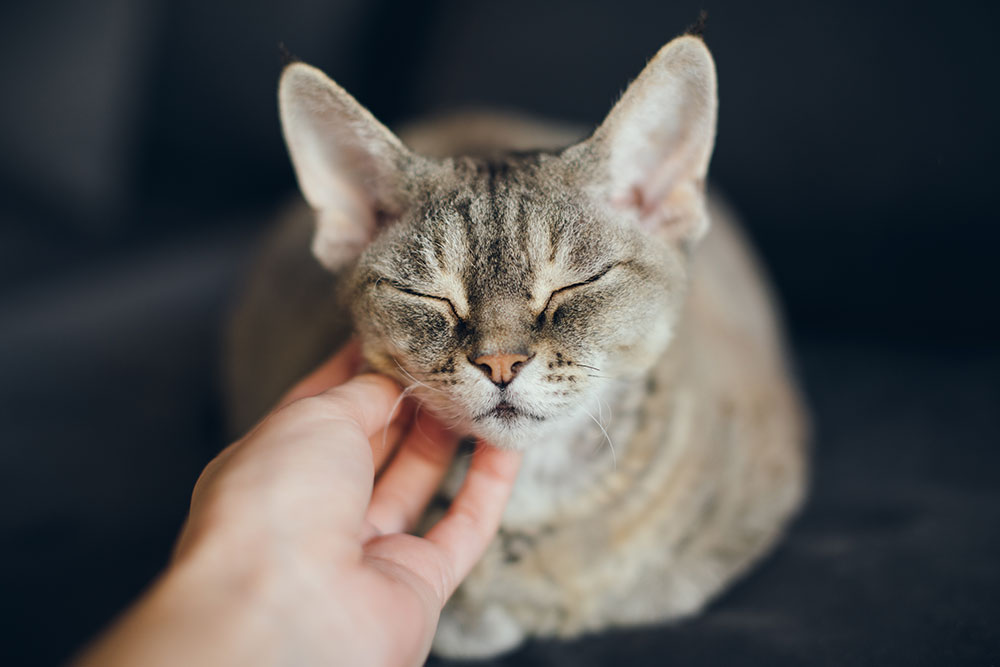
Separation anxiety is treatable with the right combination of training, enrichment, and veterinary support. Most pets can learn to feel safe and confident when home alone, but the process requires patience, empathy, and partnership between owners and their veterinary team.
Early intervention makes a significant difference. The longer anxiety persists, the harder it becomes to reverse. By seeking help at the first signs of distress, you give your pet the best chance at long-term emotional security.
At Animal Clinic of Council Bluffs, we’re committed to helping pets and their families navigate behavioral challenges with compassion and expertise. Whether your pet needs a behavioral evaluation, medical support, or guidance on training and enrichment, our team is here to help.
Call us today or schedule a consultation to start your pet on the path to calm, confident independence.



Leave A Comment