

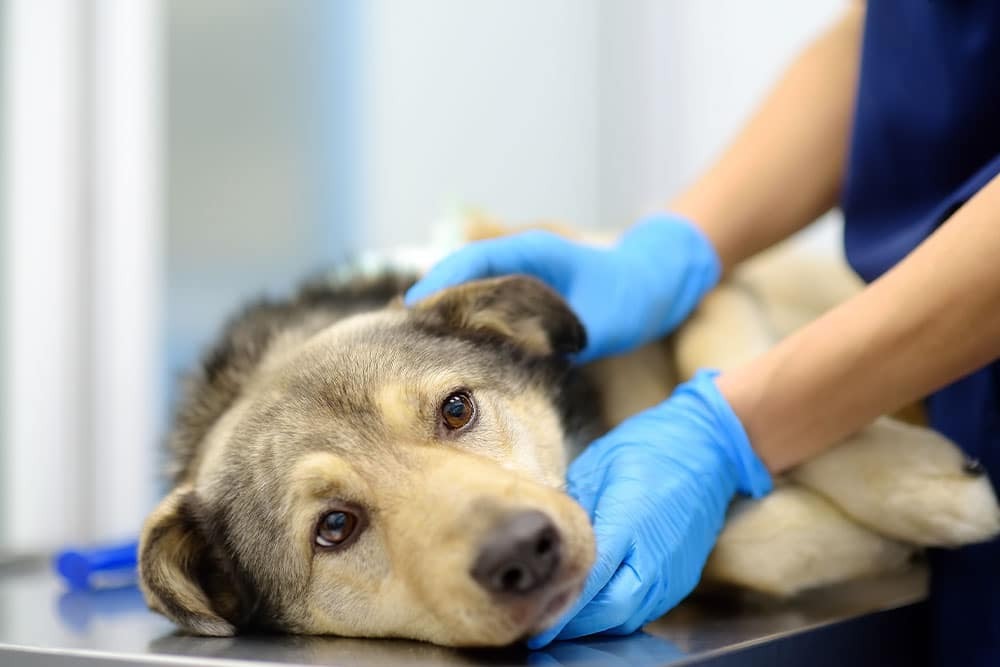
Discovering a new lump on your pet is one of those moments that makes your stomach drop. You might find it during a cuddle session: a firm, marble-sized bump under the jaw or in front of the shoulder that you’re certain wasn’t there last week. In some cases, what you’re feeling is an enlarged lymph node, and while that can sound alarming, it’s important to know that swollen lymph nodes (lymphadenopathy) are a symptom, not a diagnosis. The immune system is signaling that something needs attention, and finding out what that “something” is makes all the difference.
Our team at The Animal Clinic of Council Bluffs uses a thorough, systematic approach to evaluate lymph node changes. We start with a detailed physical exam, assess which nodes are involved and how they feel, and then recommend targeted diagnostics to narrow down the cause. Whether we’re dealing with an infection, an inflammatory condition, or a concern about cancer, we’ll keep you informed at every step. Request an appointment if you’ve noticed anything unusual.
The Lymphatic System: Why Lymph Nodes Swell
Lymph nodes are small structures distributed throughout the body that filter lymph fluid, capture pathogens and foreign particles, and coordinate immune responses when something harmful is detected. Familiarity with where lymph nodes are located makes it easier to connect a discovered lump to its anatomical source. The lymph node locations accessible by gentle palpation include the mandibular nodes under the jaw, the prescapular nodes in front of the shoulders, the axillary nodes in the armpits, the inguinal nodes in the groin, and the popliteal nodes behind each knee.
When a lymph node enlarges, it has been activated. The node nearest to the problem is often the first to respond, which is why the location of swelling carries diagnostic meaning. The exam considers not just which nodes are enlarged, but how enlarged they are, whether they are tender, how they feel, and whether the swelling is isolated or distributed across multiple groups.
Regular physical examinations, including lymph node palpation, are part of every wellness visit at our practice. Finding an enlarged node during a routine exam is often the first opportunity to catch something before other symptoms develop.
What Causes Lymph Nodes to Enlarge?
The list of possible causes is long, but the pattern of enlargement narrows things down quickly. A single warm, painful node near a wound suggests something local. Multiple firm, painless, symmetric nodes across the body point toward a body-wide process. Tender, hot nodes lean toward active infection. Painless, hard, evenly enlarged nodes raise concern for cancer. Those distinctions guide what testing we recommend first.
Infections: The Most Common Driver
Bacterial, viral, fungal, and parasitic infections drive lymph node enlargement by activating the nearest immune checkpoints.
Local Infections
A single enlarged mandibular node frequently traces back to a dental abscess, oral wound, or facial skin infection. A popliteal node swollen behind the knee often reflects a problem lower on the same limb, such as a paw injury or skin infection between the toes. The closer the source, the faster and more isolated the response tends to be.
Systemic Infections in the Midwest
When several node groups enlarge at once, we look for an infection moving through the bloodstream or affecting the body broadly. Several categories deserve attention in eastern Iowa and western Nebraska:
- Tick-borne illnesses: Lyme disease frequently produces generalized lymphadenopathy alongside fever and shifting leg lameness. Ehrlichia and Anaplasma are two additional tick-transmitted organisms that infect white blood cells and commonly cause lymph node changes alongside fever, lethargy, and platelet drops.
- Bacterial infections: Leptospirosis is contracted from standing water and can produce multi-system involvement, and it is also transmissible to people in the household. Mycobacteriosis, a bacterial infection cats can pick up from rodents or environmental exposure, often produces chronic node swelling with associated draining skin lesions.
- Regional fungal disease: Blastomycosis is endemic to river valleys throughout the Midwest and frequently produces enlarged nodes alongside coughing, weight loss, and skin lesions. Histoplasmosis, associated with soil contaminated by bird or bat droppings along the Missouri and Mississippi River corridors, can affect both dogs and cats. Aspergillosis and other forms of fungal disease round out the regional possibilities.
- Feline-specific viral infections: Feline leukemia virus (FeLV) suppresses the immune system and can drive lymph node changes both directly and through the secondary infections and lymphoma it predisposes cats to. Feline immunodeficiency virus (FIV) often produces persistent generalized lymph node enlargement, particularly in the early stages of infection.
- Parasitic exposure: Toxoplasmosis in cats is acquired from infected prey or undercooked meat and can cause lymphadenopathy alongside fever and lethargy. Heavy burdens of intestinal parasites, including roundworms and Giardia, and significant external parasite loads can also drive enough immune activation to enlarge nodes.
This is why tick-borne disease screening and broader infectious disease testing are part of our workup for unexplained lymph node enlargement, particularly in pets with known outdoor exposure in Council Bluffs or the surrounding area.
Cancer: When Lymphoma Is the Cause
Canine lymphoma is one of the most common malignancies in dogs and one of the most common causes of sudden, dramatic, symmetrical lymph node swelling across multiple groups. It originates in the lymphocytes that populate lymph nodes and can produce significant enlargement before any other clinical signs appear. Your dog can seem otherwise healthy, eating normally and acting playful, while lymphoma is producing visibly enlarged nodes.
The lymphoma diagnosis and subtype shape the entire treatment and prognosis conversation, which is why prompt, accurate testing matters from the start. Feline lymphoma is also common in cats, though it more often involves the gastrointestinal tract rather than peripheral nodes. Other types of cancer in pets can also cause enlarged nodes if the cancer begins to spread to other parts of the body.
Immune-Mediated and Other Inflammatory Triggers
Several non-infectious, non-cancerous conditions also enlarge lymph nodes, and they look identical on the surface to the more common causes. The same diagnostic process applies.
- Immune-mediated disease: Conditions like immune-mediated hemolytic anemia involve the immune system attacking the body’s own cells and produce reactive node enlargement as the immune response intensifies.
- Allergic skin disease: Allergies, particularly atopic dermatitis with secondary skin infections, can cause localized node swelling in the areas that drain affected skin.
- Vaccination responses: Mild vaccination reactions sometimes produce transient node swelling at or near the injection site, typically resolving on their own within a few days.
- Lymphedema: Impaired lymphatic drainage from lymphedema produces node changes that require the same systematic workup to distinguish from the more common causes.
The Evaluation Process
Starting With the Exam
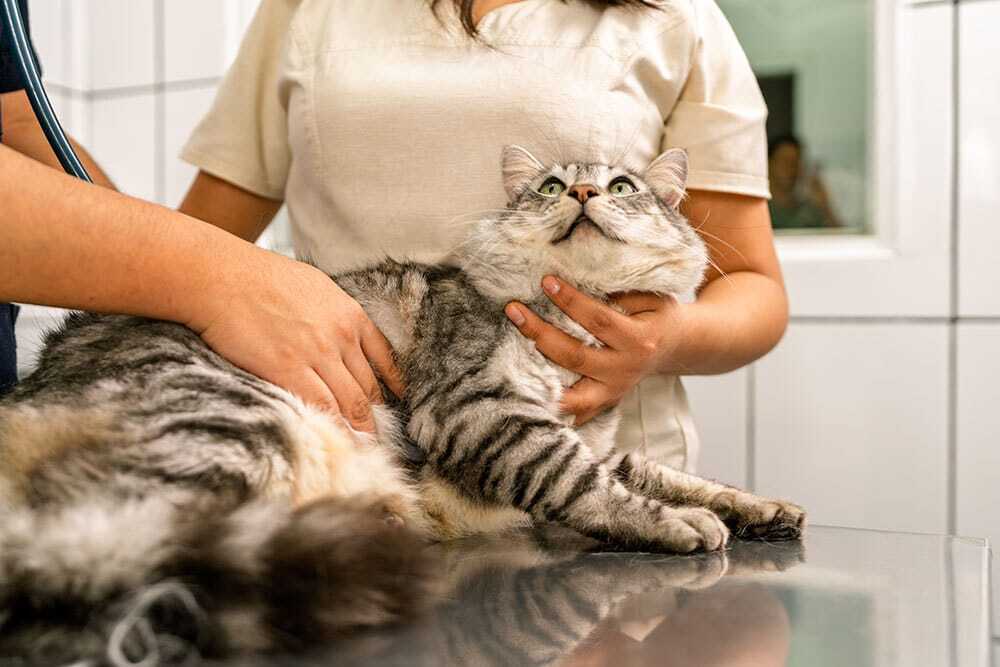
A thorough physical examination assesses size, symmetry, texture, tenderness, and mobility of all accessible lymph node groups. Painless, firm, symmetrical nodes across multiple groups in your pet, who otherwise seems well, point strongly toward a systemic process like lymphoma. A single warm, tender node near a recent wound or skin infection points toward reactive local inflammation.
The full picture also includes gum color, heart and lung sounds, abdominal palpation, and body condition. We look at the whole pet, not just the node that prompted the visit.
Fine-Needle Aspiration
Fine-needle aspiration (FNA) is typically the first diagnostic step when the exam points toward investigation. A small needle collects cells from inside the node for microscopic evaluation. The procedure is brief, minimally invasive, and most pets tolerate it without sedation.
Cytology from FNA answers the central question in many cases: are these cells consistent with reactive inflammation, infection, or cancer? When results aren’t enough information for a diagnosis or when tissue architecture is needed for treatment planning, biopsy provides more depth. The cytology vs biopsy decision is made based on what the initial sample shows.
Supporting Tests
A complete blood count and chemistry panel screen for systemic infection, organ involvement, and metabolic changes. Tick-borne disease panels and infectious organism screening narrow down the cause when systemic infection is suspected. Chest and abdominal imaging assess internal lymph node involvement and organ changes that are not detectable on the surface exam. Our advanced diagnostic capabilities and full range of veterinary services help us work through this efficiently.
Treatment Based on What We Find
| Cause | Treatment |
| Bacterial infection | Targeted antibiotics; source control |
| Tick-borne disease | Specific antimicrobials based on organism confirmed |
| Fungal infection | Extended antifungal therapy |
| Lymphoma | Chemotherapy tailored to subtype |
| Metastatic cancer | Based on primary tumor; surgical, oncologic, or palliative |
| Reactive lymphadenopathy | Treat the underlying cause; monitor for resolution |
For lymphoma, the achievable goal for most patients is remission rather than cure. Many dogs achieve one to two or more years of good quality life during treatment. That additional time is real, and families deserve to understand what it can look like before making a decision. We have honest, direct conversations about what treatment involves, what outcomes to realistically expect, and how to weigh those considerations for your specific pet.
Lowering the Risk of Lymph Node Problems
Not every cause of lymphadenopathy is preventable, but the most common infectious triggers can be reduced significantly through consistent care, and routine veterinary visits remain the most reliable way to catch everything else early.
Wellness Exams and Vaccinations
Annual or twice-yearly wellness visits give us the chance to palpate lymph nodes at every exam, document baseline findings, and detect changes before symptoms develop. Vaccines also play a direct role in prevention here, particularly FeLV vaccination for cats with outdoor exposure and Lyme disease and leptospirosis vaccines for dogs in our region. Staying current on this protection takes several common infectious causes off the table.
Comprehensive Dental Care
Dental disease is one of the most consistent local sources of bacterial infection in the head and neck, and it routinely activates the mandibular and submandibular nodes nearby. Professional dental cleanings on the schedule recommended for your pet, paired with home care, reduce the chronic bacterial burden that keeps those nodes persistently reactive.
Year-Round Parasite Prevention
Fleas, ticks, and intestinal parasites all act as direct triggers for immune activation, and tick-borne illnesses in particular can produce lymph node changes that are easy to mistake for cancer when first discovered. Year-round prevention, including the months when activity seems to slow down, is the most reliable way to keep these triggers off your pet.
When to Bring Your Pet In
Not every swollen node carries the same urgency, but some presentations need attention quickly. Use the timing below as guidance, and call us if you are uncertain which category fits.
Same-Day Evaluation
- Swelling alongside pale gums, labored breathing, or collapse
- Visible swelling near the throat that affects swallowing or breathing
- New swelling combined with sudden lethargy or significant behavior change
Within the Next Day or Two
- A newly discovered firm lump that was not present at a recent exam
- Swelling that appeared rapidly over the course of hours
- An enlarged node located near a known mass that has grown
Routine Scheduling This Week
- Gradual enlargement in an otherwise comfortable, healthy pet without other symptoms
When in doubt, give us a call. We would rather help you sort out the right timing on the phone than have you sit on a finding that warrants prompt attention.
How to Monitor Lymph Nodes at Home
A monthly home check takes only a few minutes and adds meaningful monitoring between visits. The goal is not to assess exact sizes, which are difficult to estimate without experience, but simply to notice change from one month to the next. If something feels different from what you remember, that is the cue to call us.
- Feel beneath the jaw on both sides for the mandibular nodes
- Check in front of each shoulder for the prescapular nodes
- Feel gently in the armpits and groin for the axillary and inguinal nodes
- Check behind each knee for the popliteal nodes
You are looking for change relative to last month. If something feels larger, firmer, or newly detectable, reach out to our team rather than waiting for the next scheduled appointment.
Frequently Asked Questions
Can an enlarged lymph node resolve without treatment?
Yes. Reactive nodes from resolving infections often return to normal size as the underlying infection clears. Nodes that stay enlarged beyond two to three weeks, that are growing, or that come with other symptoms should not be watched at home indefinitely.
My pet seems completely well. Do swollen nodes still need evaluation?
Yes. Lymphoma in dogs can produce significant, even dramatic node swelling before any other symptom appears. Your pet may seem healthy and still have a finding that warrants prompt evaluation and more options for treatment.
How long does it take to get an answer?
FNA cytology results typically return from our reference laboratory within two to three business days. Blood work results from our in-house lab are available the same day. If biopsy is needed, histopathology takes one to two weeks.
Is fine-needle aspiration painful for pets?
Most pets handle FNA without difficulty. The needle used is smaller than the one used for routine blood draws, the procedure takes only seconds per sample, and sedation is rarely needed. Gentle handling and a calm approach keep most patients relaxed throughout.
From Discovery to Clarity
The hardest part of finding a swollen lymph node is not knowing what it means. At The Animal Clinic of Council Bluffs, we move from that first discovery to a clear answer as efficiently as possible, explain what we find in plain language, and keep you as the decision-maker throughout the process.
Request an appointment or give us a call to have a new lump or lymph node change evaluated. We care for your pet like our own, and that starts with taking your concerns seriously from the first phone call.




Leave A Comment