

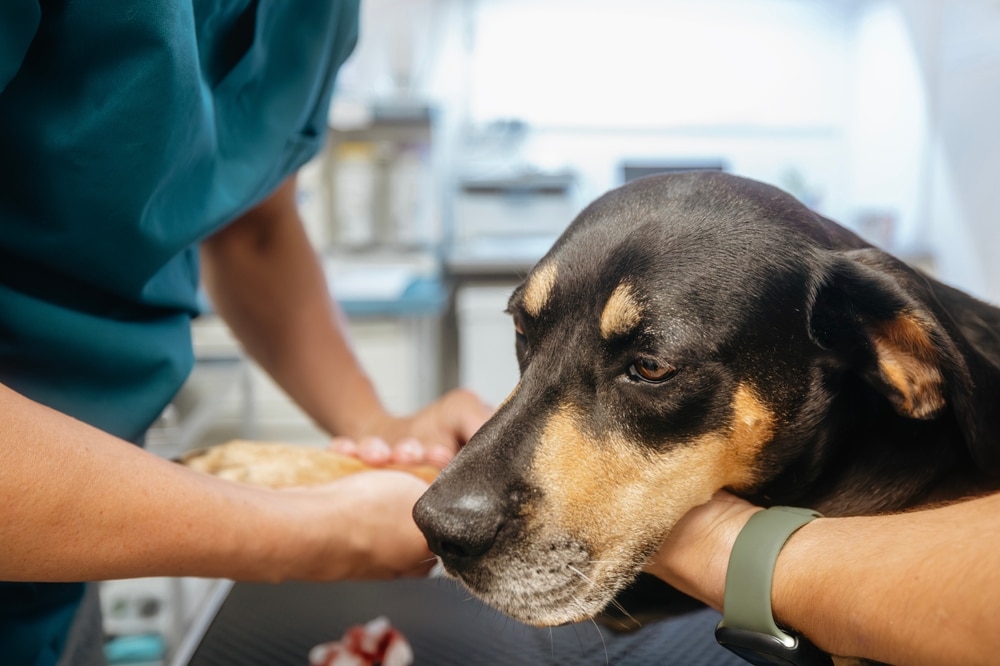
What Makes Immune-Mediated Blood Disease So Dangerous for Pets?
Immune-mediated blood diseases can be especially frightening because the symptoms often appear vague or deceptively mild at first. A pet may simply seem tired, weak, less interested in food, or slower than usual before more alarming signs like pale gums, rapid breathing, bruising, or collapse develop. Instead of protecting the body normally, the immune system mistakenly targets healthy red blood cells or platelets as threats and begins destroying them. This can lead to severe anemia, dangerous bleeding disorders, or life-threatening complications in a very short period of time. Because the early signs can resemble many other illnesses, immune-mediated disease requires specific diagnostic testing and rapid medical intervention to identify what is happening and begin stabilizing the pet as quickly as possible.
The Animal Clinic of Council Bluffs serves pets and families across both our Council Bluffs and Glenwood locations, and our services include both the diagnostics needed to evaluate blood disorders and the advanced treatments to manage them. Our team genuinely cares about the people behind every pet, and we will make sure you understand what is happening and what the plan is meant to accomplish. If you’re worried, request an appointment or contact us to get your pet evaluated right away.
Key Takeaways
- Auto-immune blood diseases like IMHA (red blood cell destruction) and ITP (platelet destruction) can develop quietly, with subtle signs such as fatigue, pale gums, or unexplained bruising preceding obvious crisis by days to weeks.
- Catching these conditions early through wellness exams and routine bloodwork shifts outcomes from grim to genuinely hopeful, particularly when an underlying trigger like a tick-borne infection can be identified and treated.
- Tick-borne infections in tick-active regions like Iowa can trigger or precisely mimic immune-mediated blood disease, so tick-borne disease testing is a standard part of any workup.
- Treatment is highly individualized, often combining immunosuppression with treatment of any underlying trigger, and monitoring continues for months to years.
How Does the Immune System Turn Against Its Own Blood Cells?
Immune-mediated diseases develop when the immune system mistakenly identifies the body’s own cells as threats and mounts an attack against them. The two main forms that affect blood target either red blood cells (immune-mediated hemolytic anemia, or IMHA) or platelets (immune-mediated thrombocytopenia, or ITP). Sometimes both happen at once, and the trigger may be primary or driven by an underlying cause.
Immune-mediated hemolytic anemia (IMHA): The immune system targets red blood cells, destroying them faster than the bone marrow can replace them. The result is anemia.
Immune-mediated thrombocytopenia (ITP): The immune system targets platelets, the small cell fragments responsible for clotting. The result is impaired clotting and bleeding tendency.
Both conditions can occur as primary IMHA and ITP (no identifiable underlying cause; the immune system simply turned on its own cells) or as secondary disease (an underlying trigger like infection, cancer, or toxin exposure caused the immune dysregulation).
The distinction matters clinically because primary cases are treated by suppressing the immune response directly, while secondary cases require both immunosuppression and identification and treatment of the underlying trigger. Missing the trigger in a secondary case typically leads to relapse or treatment failure.
What Is IMHA and How Does It Affect My Pet?
Immune-mediated hemolytic anemia progressively destroys red blood cells, compromising the body’s ability to deliver oxygen to tissues. The severity ranges from mild, slowly developing cases to acute crises with rapid red cell destruction. Without intervention, severe anemia leads to organ damage and death.
The early signs are often subtle and easily attributed to other causes. The dog who is just a little tired. The cat who is not quite themselves. By the time obvious signs are present, the underlying disease has typically been progressing for some time.
What Signs Point to IMHA Early On?
The signs to watch for:
- Unusual fatigue, reduced exercise tolerance, sleeping more, less interest in normal activities
- Faster resting breathing as the body compensates for reduced oxygen delivery
- Pale or jaundiced gums: pale gums (anemia), yellow tinge to the gums or whites of the eyes (jaundice from breakdown products of destroyed red cells)
- Dark or discolored urine: brown, orange, or red-tinged urine from hemoglobin released by destroyed red cells
- Appetite loss
- Weakness: wobbly walking, reluctance to climb stairs, or trouble standing
- Yellow tinge to skin or eyes, a more advanced sign indicating significant red cell breakdown
Certain breeds carry breed predisposition for IMHA. Cocker Spaniels develop the disease at notably higher rates than other breeds. English Springer Spaniels, Poodles, Old English Sheepdogs, Irish Setters, and several other breeds also have documented elevated risk. If your dog is one of these breeds, be especially attentive to early signs.
What Causes Secondary IMHA in Dogs and Cats?
Secondary IMHA has an identifiable trigger driving the immune dysregulation. Finding and treating that trigger is essential to avoid relapse after immunosuppression alone. The main categories:
- Tick-borne infections including ehrlichiosis, anaplasmosis, Babesia, and others (covered in detail below)
- Bacterial infections including leptospirosis, particularly relevant in regions with significant water exposure and wildlife
- Hemotropic mycoplasma in cats, a parasitic blood organism that is a relatively common cause of feline IMHA
- Cancers including lymphoma and hemangiosarcoma
- Toxin exposure: zinc toxicosis from ingested pennies or hardware, onion and garlic toxicity, certain medications
- Viruses like feline leukemia virus, FIV, FIP, distemper, and others
- Drugs and envenomations including snake bites that cause direct red cell damage that mimics or triggers IMHA
- Vaccinations in rare and largely circumstantial cases; the benefit of vaccination far exceeds this small statistical risk
The diagnostic workup for IMHA always includes screening for these secondary causes, even when primary disease seems most likely. Catching a treatable underlying trigger changes the prognosis significantly.
Why Are Blood Clots a Concern in IMHA?
IMHA carries a paradox that makes it especially dangerous: while red blood cells are being destroyed, the clotting system simultaneously becomes dysregulated. Rather than free bleeding, dogs with IMHA often develop abnormal clots in inappropriate places.
Blood clotting complications including pulmonary thromboembolism (clot in the lungs) are among the leading causes of death in IMHA. This is why hospitalization, monitoring, and often anti-clotting medications are part of standard treatment.
Signs of a possible clot that require immediate care:
- Sudden severe respiratory distress
- Sudden weakness or collapse
- Sudden onset of severe pain
- Cold or pale extremity (suggesting a clot blocking circulation)
- Sudden severe lethargy or behavior change
Any of these signs in your dog being treated for IMHA warrants immediate veterinary contact. Time matters significantly with thromboembolic events.
What Is ITP and How Does It Affect My Pet?
Immune-mediated thrombocytopenia targets platelets rather than red blood cells. Without adequate platelets, normal clotting fails, and bleeding can occur from minor or absent trauma. Internal bleeding in ITP can be significant even when external signs look minor. A small bruise on the surface may indicate substantial bleeding into deeper tissues that is not visible.
What Are the Signs of ITP in Pets?
The signs of platelet destruction include:
- Unexplained bruising on the belly, gums, or other areas
- Petechiae (small pinpoint red or purple spots from tiny areas of bleeding under the skin or in mucous membranes)
- Nosebleeds without injury
- Blood in urine (pink-tinged or frankly red)
- Blood in stool (red blood, dark tarry stool, or both)
- Wounds that bleed disproportionately long for the size of the injury
- Bleeding gums with normal handling
- Lethargy from blood loss
- Pale gums if bleeding has been significant
The petechiae pattern (multiple small spots in the gums, white of eye, or skin) is particularly characteristic of ITP.
What Triggers ITP in Dogs and Cats?
Like IMHA, ITP can be primary or secondary. Triggers for secondary ITP are very similar to IMHA, and include:
- Tick-borne infections (ehrlichia is a particularly common trigger)
- Heartworm disease
- Distemper virus in unvaccinated dogs
- Leptospirosis
- Medications, including some antibiotics, anti-seizure medications, and other drugs
- Cancers
- Recent vaccination in rare cases (the benefit of vaccination greatly exceeds this small risk)
- Other immune-mediated conditions occurring concurrently
The workup screens for these triggers when ITP is identified.
What Is Evans Syndrome in Pets?
Concurrent immune-mediated conditions involving simultaneous IMHA and ITP are called Evans syndrome. The combination is more challenging to manage than either condition alone because treatment must address both red blood cell destruction and platelet destruction simultaneously.
These cases require intensive monitoring, frequent medication adjustments, and often combination immunosuppression. Outcomes are more variable than with single-condition disease, but with appropriate management, many patients respond well.
How Do Tick-Borne Diseases Trigger Immune-Mediated Blood Disease?
Year-round tick activity in Iowa and the broader Midwest is directly relevant to IMHA and ITP risk. Several tick-borne infections can either directly trigger immune-mediated blood disease or precisely mimic it. Treating apparent primary disease without ruling out an infectious driver leads to incomplete treatment and relapse.
The major tick-borne diseases relevant to blood disorders:
- Lyme disease: Less commonly associated with IMHA and ITP than other tick-borne diseases, but documented in some cases
- Rocky Mountain spotted fever: Rickettsial infection with prominent effects on platelets and small blood vessels, often presenting with thrombocytopenia and characteristic skin signs
- Ehrlichia and anaplasma: Common drivers of secondary thrombocytopenia and other blood abnormalities; chronic ehrlichiosis can cause severe pancytopenia (low across all blood cell types)
- Babesia: a tick-borne protozoa that directly infects red blood cells, causing both direct hemolysis and triggering immune-mediated disease
Tick-borne disease testing is a standard part of our workup for any suspected IMHA or ITP.
How Are These Immune-Mediated Diseases Diagnosed?
The diagnostic process moves quickly when immune-mediated blood disease is suspected, because early treatment makes a meaningful difference in outcome. After history-taking and physical examination, our workup combines same-day in-house bloodwork with imaging, tick-borne disease testing, and additional specialized testing as needed to identify whether the disease is primary or secondary.
The full workup typically includes:
- History: Recent travel, tick exposure, medications, vaccinations, dietary indiscretion, possible toxin exposure, prior illness episodes
- Physical exam: Mucous membrane color, pulse quality, heart and lung sounds, abdominal palpation, lymph node assessment, skin and eye examination for bruising or jaundice
- Complete blood count (CBC) and blood smear: The first essential test, quantifying anemia or thrombocytopenia and revealing abnormal cell shapes that suggest immune-mediated destruction
- Coombs test: Detects antibodies attached to red blood cells, supporting an IMHA diagnosis
- Reticulocyte count: Measures the bone marrow’s regenerative response; most IMHA cases show regeneration, while non-regenerative cases suggest different underlying problems
- Chemistry panel and urinalysis: Evaluate organ function and detect secondary effects
- Tick-borne disease screening: 4Dx panel and additional tests as indicated by region and exposure history
- Imaging (X-rays, ultrasound): Screening for cancer, identifying organ enlargement, detecting clots in IMHA cases
- Bone marrow evaluation: In selected cases, particularly when bone marrow disease is suspected
Our in-house diagnostics provide same-day results for many of these tests, allowing treatment to begin during the same visit when emergencies require it.
How Are IMHA and ITP Treated?
Immune-mediated disease treatment has two parallel goals: stopping the immune attack and supporting the body while blood counts recover. For secondary cases, treating the underlying trigger is essential alongside immune suppression. Treatment is highly individualized and continuously adjusted based on response.
IMHA Treatment Options
The main treatment components for IMHA:
- Immunosuppression with corticosteroids (prednisone, dexamethasone) as first-line, with additional medications (mycophenolate, azathioprine, cyclosporine) added when steroids alone are insufficient
- Anti-clotting medications (aspirin, clopidogrel, sometimes heparin) to address the elevated risk of thromboembolic complications
- Supportive care including IV fluids, nausea control, and pain management as needed
- Blood transfusions for severely anemic patients to provide oxygen-carrying capacity while immunosuppression takes effect
- Therapeutic plasma exchange for severe or refractory cases, which removes antibodies and inflammatory proteins from circulation
- Blood purification approaches at advanced facilities
- Targeted antimicrobials when an infectious trigger is confirmed
Treatment is typically intensive initially, with hospitalization for the first few days, transitioning to outpatient management with frequent rechecks as the patient stabilizes.
ITP Treatment Options
The main treatment components for ITP include corticosteroids as first-line therapy (high doses initially, then tapered as platelet counts recover); vincristine (a single dose boosts platelet release from the bone marrow and is commonly used in initial management of severe ITP); intravenous immunoglobulin (IVIG) for critically low platelet counts when rapid intervention is needed; additional immunosuppressants when corticosteroids alone are not sufficient; and splenectomy as a later-stage option for refractory cases when medical management has failed.
Treatment of the underlying trigger, when identified, parallels immunosuppression for both IMHA and ITP. Addressing tick-borne infections, removing offending medications, treating cancers, or correcting other contributors gives the immune system a chance to reset rather than requiring lifelong suppression.
Does Tick Prevention Reduce the Risk of Immune-Mediated Disease?
Year-round tick prevention directly reduces the risk of secondary blood disorders triggered by tick-borne infections. In tick-active regions like Iowa, even one missed month creates an exposure window with serious consequences. Prescription products are substantially more reliable than over-the-counter options, with broader coverage and consistent dosing.
Key points:
- Year-round, not seasonal: tick activity continues during periods that feel like “off-season” in many regions
- Prescription products are more reliable: veterinary-prescribed preventives have substantially better efficacy than over-the-counter alternatives
- Cover all tick-active times: gaps in prevention create exposure windows
- Match the product to the dog: different preventives are appropriate for different sizes, lifestyles, and health profiles
Year-round tick prevention for dogs and for cats is one of the most reliable ways to reduce risk. Our team can help select the right preventive for each pet during wellness visits. The cost of consistent prevention is dramatically less than treating an established tick-borne infection plus the cascade of immune-mediated complications that can follow.
What Warning Signs Point to a Blood Disease Emergency?
Immune-mediated blood disease can escalate from subtle to critical within hours, so any sign that something is wrong warrants prompt attention. The signs below all warrant same-day evaluation, whether through us during business hours or through a 24-hour emergency hospital outside our hours.
- Sudden weakness or collapse
- Pale or yellow gums
- Unexplained bruising or petechiae anywhere on the body
- Labored breathing at rest
- Dark or blood-tinged urine
- Significant lethargy or loss of interest in food
- Bleeding from the nose, gums, or other sites without injury
- Wounds that will not stop bleeding
- Visible blood in stool
Any of these signs warrants prompt veterinary contact rather than waiting. Calling ahead lets us prepare for the visit and provides initial guidance.
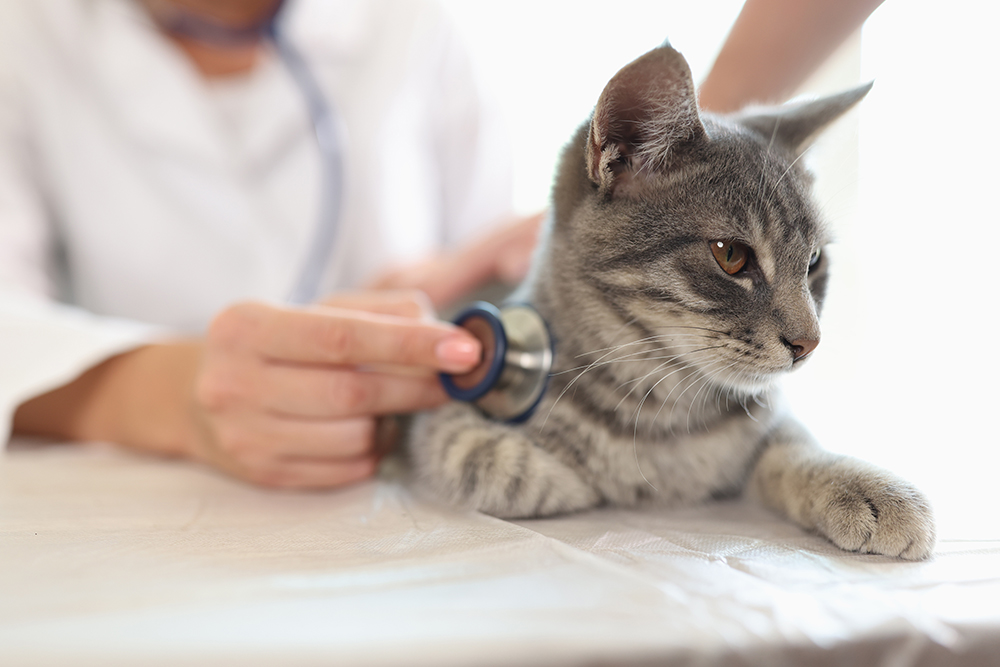
Frequently Asked Questions About IMHA and ITP in Pets
Will my pet recover?
With prompt diagnosis and appropriate treatment, many pets recover well. Some achieve complete remission and discontinue medications eventually. Others require ongoing management. Outcomes depend on how quickly treatment started, severity of disease at presentation, and whether an underlying trigger can be identified and addressed.
How long does treatment take?
Initial intensive treatment typically runs 4 to 8 weeks. Tapering of immunosuppression continues for months afterward. Some pets remain on low-dose medications long-term; others fully discontinue medications. Frequent monitoring throughout is essential.
What does treatment cost?
Costs vary substantially based on disease severity, hospitalization length, transfusion needs, and ongoing monitoring. Expect significant initial costs followed by ongoing medication and recheck expenses. We will discuss specifics during your visit.
Can immune-mediated blood disease be prevented?
Primary disease cannot be reliably prevented. Secondary disease can be reduced through consistent parasite prevention, current vaccinations, prompt treatment of infections, and avoiding known toxins. The single most impactful prevention strategy for many cases is consistent tick prevention.
Will my other pets get this?
Immune-mediated blood disease is not directly contagious. However, if your pet’s disease was triggered by a tick-borne infection, your other pets may have shared exposure and warrant testing.
Catching Auto-Immune Blood Disease Before It Becomes a Crisis
Fast, accurate diagnosis gives most pets a genuine chance at recovery. What changes the outcome from grim to genuinely hopeful is the combination of catching warning signs early, acting fast, and staying consistent with the months of monitoring and follow-up bloodwork that treatment requires.
A serious diagnosis is frightening, but modern immune-mediated disease treatment is genuinely effective for most patients, particularly when started early and tailored to the specific situation. Our team at The Animal Clinic of Council Bluffs will help you understand what is happening, what your pet needs, and how to monitor things going forward. Request an appointment or contact us if you have noticed concerning signs or have questions about your pet’s blood health.




Leave A Comment