

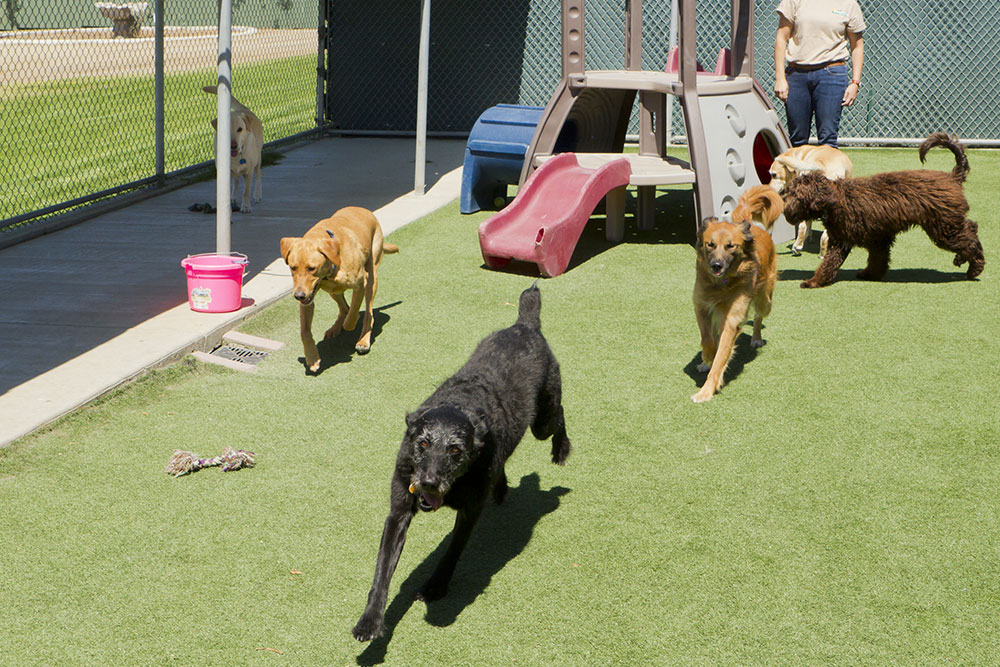
Daycare Done Right: Vaccine Requirements and Safety Standards That Matter
Dropping a dog off at daycare for the first time raises legitimate concerns. Will they be safe? Will they enjoy themselves? What if they get hurt or sick during the day? Responsible facilities answer these questions clearly before admission, explaining grouping strategies, staff training, vaccination requirements, and emergency protocols. Vague responses or reluctance to provide details suggests operational standards that prioritize convenience over safety.
The Animal Clinic of Council Bluffs helps families navigate daycare decisions at both our Council Bluffs and Glenwood locations. We ensure dogs have the core vaccinations that protect against kennel cough, canine influenza, and other contagious diseases that spread in group settings. Through our comprehensive puppy care and wellness exams, we assess whether dogs have the social skills and temperament for successful daycare experiences. We also help families understand what questions to ask during facility tours: How are conflicts handled? What’s the maximum group size? How often do dogs get breaks? Are there cameras for remote monitoring? Request an appointment to prepare your dog for daycare or discuss observations that suggest the current facility isn’t meeting their needs.
What Makes Daycare the Right Choice for Your Dog?
Deciding whether daycare suits your dog involves balancing hope with reality. Many owners imagine their pets romping joyfully with new friends, burning energy that would otherwise fuel destructive behavior at home. This vision becomes reality for some dogs, but others find group environments stressful or overwhelming.
Quality varies between facilities. Some operate with trained staff, structured schedules, and thoughtful grouping methods. Others pack too many dogs into inadequate spaces with minimal supervision. Knowing what daycare should provide helps you spot places that put your dog’s wellbeing first.
How Structured Play Supports Healthy Development
Well-managed daycare offers more than exercise. Structured play provides opportunities for socializing your dog through supervised interactions that teach communication, confidence, and self-control. Dogs learn to read body language, respect boundaries, and enjoy cooperative games.
Effective facilities introduce new dogs gradually, matching them with compatible playmates by size and energy level. Staff facilitate positive interactions and prevent rough play from escalating. Dogs rotate through play and quiet rest so they don’t get overstimulated.
Through wellness exams and behavioral consultations, we help families determine whether their dog’s temperament and socialization history position them for daycare success.
When Daycare Creates More Stress Than Benefit
Not every dog thrives in group settings. Some prefer human companionship or one familiar dog. Others find constant stimulation exhausting. Understanding dog tolerance helps you recognize when daycare conflicts with your pet’s natural preferences.
Dogs with low tolerance for noise or prolonged social time may show stress through panting, hiding, snapping, or digestive upset. Senior dogs with mobility limitations may struggle with energetic playmates. Dogs recovering from illness need calm environments that support healing.
We evaluate temperament, health status, and behavior during pre-daycare assessments so families can choose what genuinely benefits their dog.
What Should You Look for During a Facility Tour?
Touring potential daycare facilities reveals priorities through what you can see and what staff can explain. Quality facilities welcome tours during active hours so you can watch staff interactions, play dynamics, and cleanliness.
Key factors to evaluate include:
- Staff-to-dog ratios that allow active supervision
- Clear protocols for introducing new dogs
- Separate spaces for different sizes or play styles
- Scheduled rest periods in quiet areas
- Written emergency procedures and veterinary partnerships
- Transparent policies about illness, injuries, and behavior concerns
- Sanitation practices between groups
Staff should share their training, explain stress signals, and describe how they manage conflicts. Facilities that rush tours or avoid questions raise concerns. Our team can help you build a tour checklist that reveals whether standards match your expectations.
Recognizing Balanced Play Versus Problematic Interactions
Watching dogs interact shows staff competence and culture. Healthy play is voluntary, with loose, wiggly body language, play bows, and frequent breaks. Dogs should take turns and disengage easily.
Understanding canine body language helps you spot stress signals: stiff posture, pinned ears, “whale eye,” or persistent avoidance. Staff should notice and redirect early.
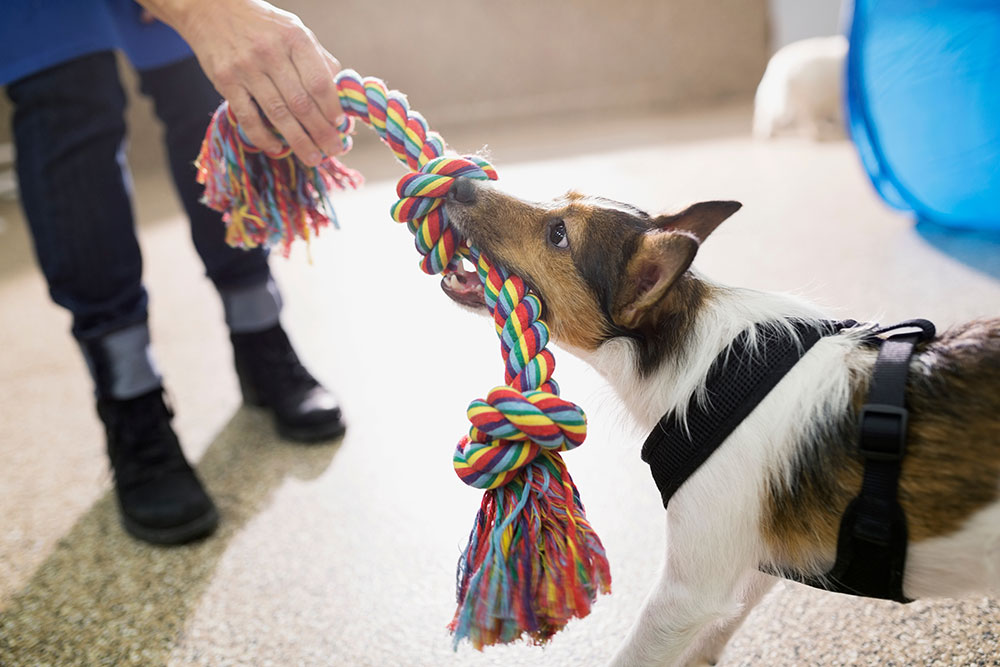
Safe group play requires active management. Staff position themselves to monitor energy, separate dogs before they get exhausted, and manage toys to prevent guarding. If you see nonstop rough play, mounting, or relentless chasing, supervision may be lacking. It’s typically best to never have toys involved to reduce resource guarding or potential fights. Schedule a consultation to review what you observed and whether the environment suits your dog.
Which Vaccines and Preventive Measures Do Daycares Require?
Reputable facilities require vaccines and preventives that protect dogs and the community. These standards reduce the spread of contagious diseases in group settings.
Core requirements typically include:
- Rabies vaccination (legally required)
- DHPP/DAPP combination vaccine for distemper, hepatitis, and parvovirus
- Bordetella vaccine for kennel cough
- Canine influenza vaccine (H3N8/H3N2)
- Current fecal test negative for intestinal parasites
- Year-round flea, tick, and heartworm prevention
Many facilities also require leptospirosis vaccination due to environmental exposure and human risk. Dogs recovering from illness usually need a symptom-free waiting period before returning.
We maintain vaccination records, provide enrollment documentation, and time boosters based on guidelines and lifestyle. Our vaccination services prepare dogs for safe daycare while protecting them from preventable diseases.
What Contagious Diseases Spread in Daycare Environments?
Group settings can spread illness through contact, shared surfaces, and droplets. Knowing common issues helps you act fast if symptoms appear.
Parvovirus: A Severe Threat to Unprotected Dogs
Canine parvovirus causes severe vomiting, bloody diarrhea, and dehydration, and survives in the environment for months. Puppies and unvaccinated dogs are most at risk, and symptoms progress quickly.
Vaccination offers strong protection, but incomplete puppy series leave gaps. If you suspect parvo, seek immediate care. We emphasize completing puppy vaccine schedules before daycare exposure.
Leptospirosis: A Bacterial Risk Outdoors
Dogs can contract leptospirosis from contaminated water or wildlife urine. It affects kidneys and liver and can spread to people. Outdoor play areas near standing water increase risk.
Vaccination reduces risk and severity. We recommend leptospirosis vaccination for daycare dogs in our area.
Oral Papilloma Virus: Contagious but Usually Self-Limiting
Young dogs may develop wart-like mouth growths after exposure to oral papilloma virus during play. Most resolve without treatment, but extensive lesions can be uncomfortable.
Facilities typically exclude dogs with active lesions until they clear. We monitor progression and intervene if needed.
Respiratory Infections: Common in Groups
Canine respiratory disease complex (including kennel cough, or bordetella) and canine influenza cause coughing, nasal discharge, fever, and lethargy. They spread quickly indoors.
Vaccines reduce severity but don’t cover every pathogen. Facilities should isolate coughing dogs and notify owners. We diagnose, treat, and recommend isolation periods before returning to daycare.
Which Parasites and Skin Conditions Spread Through Close Contact?
Shared spaces can spread parasites and skin issues. Fast treatment prevents wider outbreaks.
Intestinal Parasites and Giardia
Dogs can pick up parasites from contaminated feces. Giardia often causes persistent diarrhea and spreads easily in group environments.
Routine fecal testing catches infections early. Facilities should clean promptly and disinfect regularly. We test, treat, and recheck to confirm clearance, and recommend year-round preventives.
Ringworm, Fleas, and Mange
Ringworm is a contagious skin fungus that causes circular hair loss and can spread to people. Fleas jump between dogs during play and trigger itching or allergies. Sarcoptic mange causes intense itching and hair loss and spreads quickly.
Facilities should examine dogs daily and exclude affected dogs until treated. We diagnose skin problems including bacterial dermatitis, yeast infections, and ringworm, prescribe medications, and guide environmental cleanup to prevent reinfection.
What Injuries Occur in Daycare Settings?
Even well-managed facilities see occasional injuries. Knowing common issues helps you decide when to seek care.
Eye Irritation and Injuries
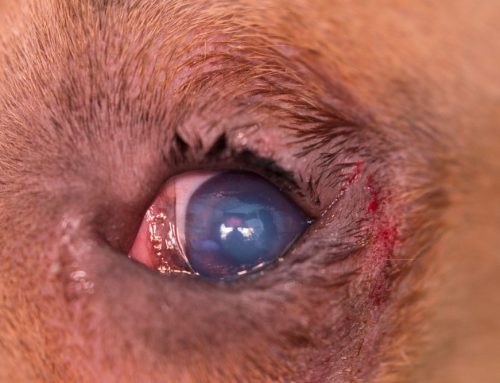
Play, debris, or accidental paws can cause conjunctivitis or scratches. Signs include squinting, discharge, redness, or pawing at the eye.
Mild irritation may resolve, but persistent symptoms or visible damage need prompt evaluation. We prescribe medications and monitor healing to avoid complications.
Bite Wounds and Scratches
Disagreements can lead to bite wounds that look minor but damage deeper tissue. Punctures can trap bacteria and form abscesses in days.
Facilities should document incidents and notify owners. We clean and assess wounds and prescribe antibiotics when indicated.
How Should You Prepare Your Dog for Daycare Success?
Thoughtful preparation improves the odds of positive experiences and helps staff identify concerns early.
Trial Sessions and Honest Communication
Most facilities start with trial evaluations. These let staff observe play style, stress responses, and group fit. Share details about behavior quirks, anxiety triggers, medical conditions, or mobility changes.
Dogs with pain or arthritis may need gentler groups or shorter sessions. Through senior care and advanced treatments including Platelet Rich Plasma therapy for osteoarthritis and inflammation, we help older dogs stay comfortable while participating appropriately.
Building Positive Associations Through Gradual Introduction
Short first visits help dogs acclimate without overwhelm. Calm drop-offs and consistent schedules reduce anxiety. Avoid prolonged goodbyes.
Monitor your dog after daycare. Excessive fatigue, reluctance to return, or behavior changes suggest the environment may not fit. We offer behavioral consultations to evaluate whether daycare supports your dog’s wellbeing.
How Our Boarding Services Complement Daycare Needs
For families who need extended care beyond daycare hours, we provide pet boarding services with around-the-clock attention at our Council Bluffs location. Our boarding program maintains the same health and safety standards we recommend for daycare facilities. We accommodate specific diets, administer medications as needed, and provide extra attention for lonely or shy pets. Dogs staying with us receive the same preventive care protocols, vaccination verification, and health monitoring that prepare them for safe group interactions. This integrated approach means your dog experiences consistent care standards whether attending daycare or staying overnight with us.
FAQs: Quick Answers for Pet Parents
- What vaccines are usually required? Rabies, DHPP/DAPP, Bordetella, canine influenza, and often leptospirosis, plus a recent fecal test and year-round preventives.
- How big should playgroups be? Smaller, supervised groups with clear rest breaks are safer. Ask about staff-to-dog ratios and group matching.
- How do I know if my dog is stressed? Watch for panting, hiding, avoidance, or irritability after sessions. If you see changes, discuss them with staff or your vet.
- Can vaccinated dogs still get sick? Yes, but vaccines reduce severity and spread. Good hygiene and isolation policies matter just as much.
- What if my dog gets injured? Facilities should document incidents and notify you promptly. Seek veterinary care if symptoms persist or wounds look deep.
Working With Your Veterinarian to Make Informed Decisions
Combining veterinary insight with careful facility selection protects your dog’s health and happiness. We update vaccines, assess temperament and readiness, provide documentation for enrollment, and discuss concerns about specific facilities or changes in your dog’s behavior.
Your dog’s safety depends on both facility standards and individual readiness. Contact us to schedule a pre-daycare evaluation, review vaccine requirements, or talk through your dog’s daycare experience. We’re here to help, guide, and be your partner in care, so you can feel confident your dog is safe and supported.
Ready to take the next step?
- Schedule a visit to update vaccines or discuss daycare readiness
- Ask a veterinarian about symptoms you’re noticing after daycare
- Reach out with questions about what to look for on your next tour
Contact us today or request an appointment to start preparing your dog for a safe, happy daycare experience.




Leave A Comment