Blood work, imaging, and targeted screening can find what a physical exam alone cannot, and for senior dogs and cats that gap matters because conditions like kidney disease, thyroid dysfunction, elevated blood pressure, and early cardiac changes often develop silently for months before a pet acts differently. Targeted panels, including blood work, urinalysis, thyroid testing, blood pressure measurement, and radiographs, give your veterinarian a window into what the exam alone cannot show. Catching these changes early rarely means crisis; it usually means more options, gentler interventions, and more time.
The Animal Clinic of Council Bluffs keeps diagnostics in-house at both our Council Bluffs and Glenwood locations, so blood work, urinalysis, and imaging results are available the same visit. Our veterinary services include the senior screening tools most likely to find problems before they progress. If your dog or cat is entering their senior years and you are not sure what screening makes sense at this stage, call us and we will put together an exam that gives you a real picture of where they stand.
Senior Pet Screening at a Glance
- Screening goes beyond the exam: it catches the silent changes that mark early disease.
- Twice-yearly beats annual: more frequent visits catch trends a single annual visit misses.
- Most senior conditions are treatable early: kidney disease, thyroid disease, hypertension, heart disease, and cancer all respond better when found early.
- Senior starts sooner than you think: around 7 years for medium and large dogs, 7 to 8 for cats and small dogs, and 5 to 6 for giant breeds.
Why Aren’t Routine Exams Enough for Aging Pets?
A physical exam tells us a lot but not everything: the veterinarian can listen to the heart and lungs, palpate the abdomen, evaluate joints and posture, examine the mouth, and check lymph nodes, but an exam cannot measure organ function, identify early metabolic shifts, screen for hidden cancer, or quantify blood pressure. Preventive testing for seniors closes that gap, and a few principles drive the recommendations:
- Things change fast in seniors, since a 10-year-old dog ages the equivalent of four to five human years between annual visits, so twice-yearly screening catches shifts an annual cadence misses.
- Trends matter more than single values, since a creatinine of 1.6 might be normal for one pet and meaningfully elevated from baseline for another, so tracking values over time finds disease earlier.
- Most senior diseases are silent until well established, since cats with chronic kidney disease often look well until 70 percent of function is lost and dogs show no exercise intolerance until heart disease is advanced.
What a Comprehensive Senior Screening Includes
A typical senior screening panel covers several tests, each opening a different window:
| Screening test | What it catches |
| Complete blood count (CBC) | Anemia, infection, inflammation, some cancers |
| Chemistry panel | Kidney, liver, pancreas, glucose, electrolytes |
| Urinalysis | Early kidney disease, diabetes, infection |
| Thyroid function (T4) | Hypothyroidism in dogs, hyperthyroidism in cats |
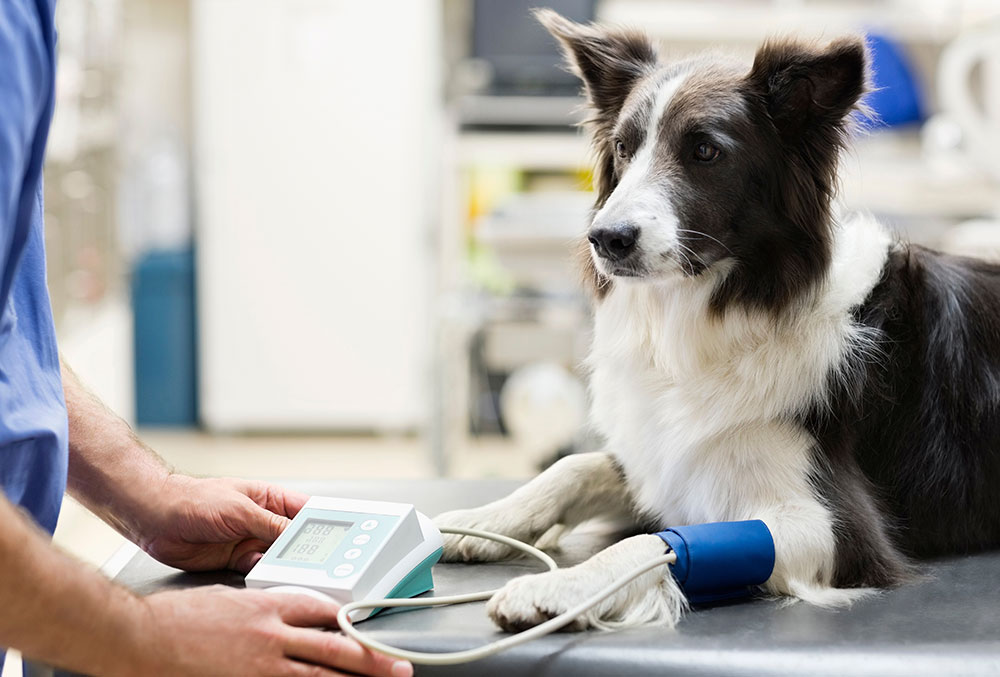
| Blood pressure | Hypertension and its organ-damage risk |
| Chest radiographs | Heart size and shape, lung disease, masses |
| Heartworm and tick-borne panel | Heartworm and tick-borne infection |
FeLV and FIV testing for cats with outdoor exposure, abdominal ultrasound in select cases, and body and muscle condition assessment round out the picture. Senior care recommendations are tailored to your individual pet based on breed, prior history, and current findings.
What Does Senior Blood Work Reveal?
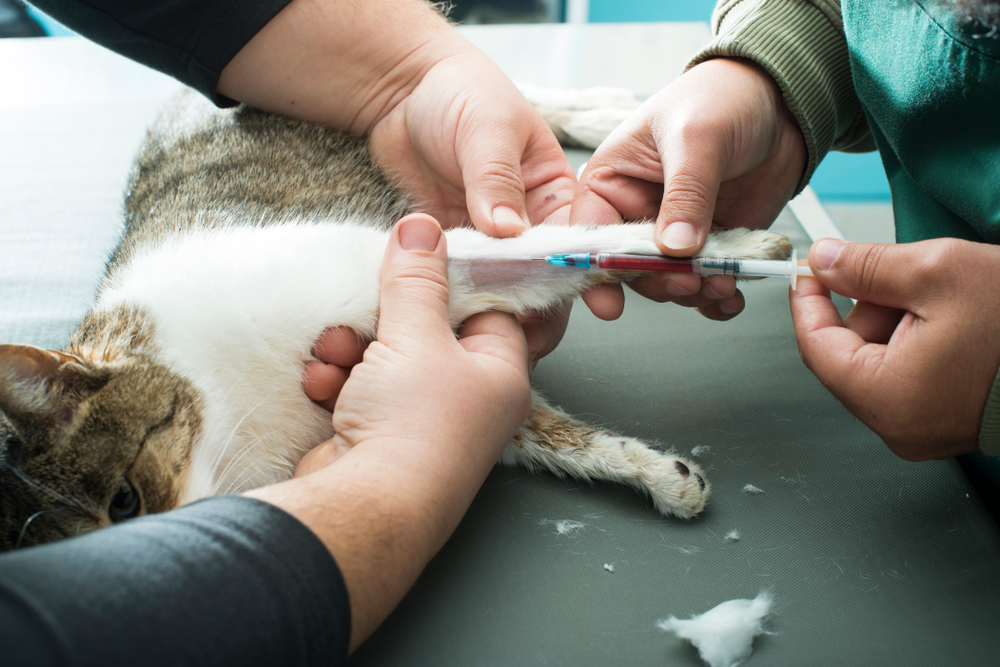
Blood panels provide an internal snapshot before symptoms appear. Key tests:
- Complete blood count, evaluating red cells for anemia, white cells for infection or certain cancers, and platelets for clotting, where subtle changes often precede outward signs.
- Chemistry panel, measuring kidney values like BUN, creatinine, and SDMA, liver values, pancreas function, glucose, electrolytes, and protein.
- Thyroid testing (T4), critical in older pets, since hypothyroidism is common in dogs and hyperthyroidism in cats, both producing signs mistaken for aging.
- Heartworm and tick-borne disease testing, especially important in the Midwest where Lyme, ehrlichia, anaplasma, and heartworm all have meaningful prevalence.
A “normal” value today compared to a baseline from two years ago can reveal disease that absolute reference ranges miss, so we track trends over time, one of the most valuable aspects of consistent screening.
Why Does Blood Pressure Matter for Senior Pets?
Hypertension is one of the most under-recognized problems in senior pets, particularly cats, since it rarely causes obvious symptoms until significant damage has happened to the eyes, with sudden blindness from retinal detachment, the kidneys, the heart, and the brain. It is commonly secondary to other conditions:
- Chronic kidney disease
- Hyperthyroidism in cats
- Cushing’s disease in dogs
- Diabetes
- Heart disease
Measurement uses an inflatable cuff on a leg or tail with Doppler monitoring, a brief and painless procedure, and when elevated values are found, treatment usually involves medication along with addressing underlying contributors. Diagnosed early, hypertension is highly manageable and prevents the cascade of organ damage that comes with leaving it untreated.
What Can a Urine Test Tell You?
Urinalysis measures more than people realize, since a single small sample tells us:
- Concentration, where decreased concentrating ability is often the earliest sign of kidney disease, sometimes before blood values change.
- Glucose, where sugar in the urine is often the first sign of diabetes.
- Protein, where loss through the kidneys signals damage to the filtering units.
- Blood, indicating infection, stones, inflammation, or tumors.
- Crystals, some of which predispose to stones and inform diet.
- Bacteria and white blood cells, diagnosing urinary tract infections.
- pH, helping identify metabolic shifts and inform dietary planning.
Urinalysis and blood work together provide a fuller picture than either alone, since a normal blood panel paired with an abnormal urine sample identifies early kidney disease that blood values would miss for months.
How Do You Screen for Heart Disease?
Cardiac screening matters even when pets appear healthy, since the available tools, all noninvasive, give different windows into heart function. Comprehensive heart disease diagnosis typically draws on several:
- Chest radiographs, showing heart size and shape, fluid in the lungs, and masses.
- Echocardiogram, or cardiac ultrasound, the gold standard for diagnosing cardiac disease.
- NT-proBNP testing, a blood test that detects cardiac strain before clinical signs.
- ECG, recording electrical activity to identify arrhythmias.
- Blood pressure, since hypertension contributes to cardiac strain.
Early identification usually means medication, dietary changes, and monitoring rather than crisis, and pets started on therapy in early-stage heart disease often have years of additional good quality life. The Animal Clinic of Council Bluffs offers cardiac ultrasounds right in our practice with board-certified radiologist reviews, keeping you from having to travel to a referral hospital.
When Are X-Rays and Ultrasound Recommended?
Imaging fills gaps that bloodwork and physical exam cannot, and radiography and ultrasound each reveal different things. Radiographs are best for bony structures, lung patterns, the heart silhouette, and gas-distended structures, while ultrasound is best for soft-tissue detail, organ architecture, fluid, and dynamic structures like the heart, identifying tumors, organ enlargement, and stones that radiographs may miss. Recommendations depend on the individual pet and findings, so a pet with elevated liver values benefits from abdominal ultrasound while a coughing senior benefits from chest radiographs.
In some cases, we’ll recommend x-rays and ultrasound as preventative testing. For a Cavalier King Charles Spaniel, we’ll probably recommend chest radiographs because they are very prone to heart disease. For a Golden Retriever, we may recommend an ultrasound periodically because they are more prone to splenic cancers. Catching conditions early means better treatment options, so if you have a breed that has a high risk for a certain condition, we’ll build out a personalized plan for them.
What Conditions Should You Watch For?
Senior screening helps identify a range of age-related conditions.
Thyroid Disease in Dogs
Hypothyroidism is one of the most common endocrine disorders in older dogs, with signs like weight gain, lethargy, and poor coat that look like aging. Diagnosis is through blood testing, and treatment with oral levothyroxine is straightforward, inexpensive, and effective, with most dogs responding within weeks.
Thyroid Disease in Cats
Hyperthyroidism is extremely common in cats over 10, with signs like weight loss despite a big appetite, increased thirst, and vocalization often mistaken for aging. Untreated, it damages the heart and kidneys, and treatment options include daily medication, prescription diet, surgery, or radioactive iodine, with most cats living many additional good years.
Kidney Disease in Senior Pets
Chronic kidney disease is extremely common in senior cats and present in many senior dogs, often showing no symptoms until 70 percent or more of function is lost, which makes screening essential. Chemistry panels and urinalysis identify it at stages where diet, medication, and supportive care meaningfully slow progression.
Heart Disease in Senior Pets
The most common types vary by species and size:
- Mitral valve disease, the most common heart disease in small-breed dogs.
- Dilated cardiomyopathy, affecting large and giant breeds like Dobermans, Great Danes, and Boxers.
- Hypertrophic cardiomyopathy, the most common heart disease in cats.
Early detection is the difference between years of stable management and acute decompensation, and heart disease treatment typically involves medication that improves quality of life and extends survival meaningfully.
Cancer Screening in Senior Pets
Cancer is more common in older pets, and types of cancer in pets range from benign masses to aggressive cancers needing early intervention. Conditions to watch for:
- Lymphoma, often sudden lymph node enlargement in dogs, more often gastrointestinal in cats.
- Hemangiosarcoma, a vascular cancer common in Goldens, Labs, and German Shepherds, often presenting with acute internal bleeding.
- Osteosarcoma, bone cancer common in giant breeds, presenting with lameness or bone swelling.
- Mast cell tumors, soft tissue sarcomas, and various carcinomas, many caught as palpable lumps on routine exams.
Warning signs include any new lump, weight loss, persistent vomiting or diarrhea, lethargy, exercise intolerance, lameness without cause, and unexplained appetite or behavior change.
Liver Disease in Senior Pets
Liver disease often shows up first on routine blood work, before outward signs, through elevated ALT, ALP, GGT, or bilirubin, low albumin, or imaging changes. Management depends on the underlying cause, ranging from dietary adjustment and supplements to medication or surgery.
Arthritis and Joint Pain in Senior Pets
Most senior dogs and cats have some arthritis, obvious in dogs as limping and slowing down but subtle in cats as less jumping and reduced grooming. Treatment combines several tools:
- Joint supplements like glucosamine, chondroitin, and omega-3s
- NSAIDs for dogs without contraindications.
- Modern biologics, Librela for dogs and Solensia for cats, monthly injections that target arthritis pain through a different mechanism than NSAIDs.
- Laser therapy to reduce inflammation and support healing.
- Weight management, the highest-impact modifiable factor.
- Home modifications like ramps, rugs, raised bowls, and orthopedic bedding.
- PRP and stem cell therapy to reduce inflammation and pain
We’ll come up with an individualized treatment plan for your pet to help them stay mobile and pain-free in their golden years.
Dental Disease in Senior Pets
Dental care becomes more important, not less, as pets age, since periodontal disease is extremely common in older pets and connected to heart, liver, and kidney inflammation. Professional cleanings under anesthesia with full-mouth dental radiographs are how meaningful dental disease is diagnosed and treated, with pre-anesthetic bloodwork confirming safety, and most senior pets tolerate the procedure well with a dramatic quality-of-life improvement afterward.
Frequently Asked Questions About Senior Pet Screening
How Often Should My Senior Pet Be Screened?
Twice yearly for most senior dogs and cats. Things change quickly enough at this life stage that an annual cadence misses windows where early intervention would have been simpler.
Are These Tests Really Necessary if My Pet Seems Fine?
They are, even then. Most senior diseases are silent until significantly advanced, and pets often seem fine with 50 to 70 percent kidney function loss, early heart disease, or significant dental disease. Catching these earlier means more treatment options and better outcomes.
My Older Cat Hates the Vet. Is This Worth It?
It is, with adjustments. We can use calming strategies, take a few sample types at a time rather than everything at once, and adjust the visit pace to your cat’s tolerance. Skipping screening because of vet anxiety often leads to crisis visits later that are far more stressful for everyone.
What if We Find Something on Screening?
Most findings lead to additional information rather than immediate crisis. We discuss what was found, what additional testing or monitoring is reasonable, what treatment options exist, and what fits your goals and your pet’s quality of life. The point of screening is to find things at a stage where the conversation about next steps still has options.
Helping Your Senior Pet Thrive With Proactive Care
Senior pets benefit enormously from a screening cadence that catches changes early. Most age-related conditions are far more manageable when found before they cause obvious symptoms, and the difference between “we found this early” and “we caught it after it had become urgent” is often months or years of comfortable life.
If your dog or cat is 7 years or older and has not had a senior screening recently, request an appointment at our Council Bluffs or Glenwood location, and our team will build a screening plan that fits your pet’s life stage and history.